
Clinical Eye Research: The Cellular Factor Behind Blurry Vision Treatment & Natural Eye Floaters Treatment (Why It’s Not Just Aging)
Ophthalmic findings highlight a simple "10-Second Morning Habit" that supports retinal microcirculation, helps neutralize oxidative stress, and reveals how to get rid of eye floaters and blurry vision naturally.
For millions of adults actively searching for an effective blurry vision treatment or seeking a dependable eye floaters treatment, the standard medical response has often been that visual decline and shadowy vitreous specks are simply an unavoidable part of getting older. But recent studies in nutritional ophthalmology point to a deeper physiological root: chronic microvascular inflammation and oxidative cellular stress choking the delicate pathways of the retina.
The human visual system is among the most metabolically demanding organs in the body. To maintain sharp focus and clear contrast, the photoreceptors in your retina and macula depend upon an ultra-fine network of microscopic vessels delivering fresh oxygen, vital carotenoids, and protective cellular antioxidants. When decades of digital screen glare, artificial blue light, and systemic oxidative stress accumulate, circulation within these tiny capillaries becomes sluggish. Specialists describe this as a microscopic vascular bottleneck that starves delicate retinal cells of the nourishment they need to stay clear and sharp.
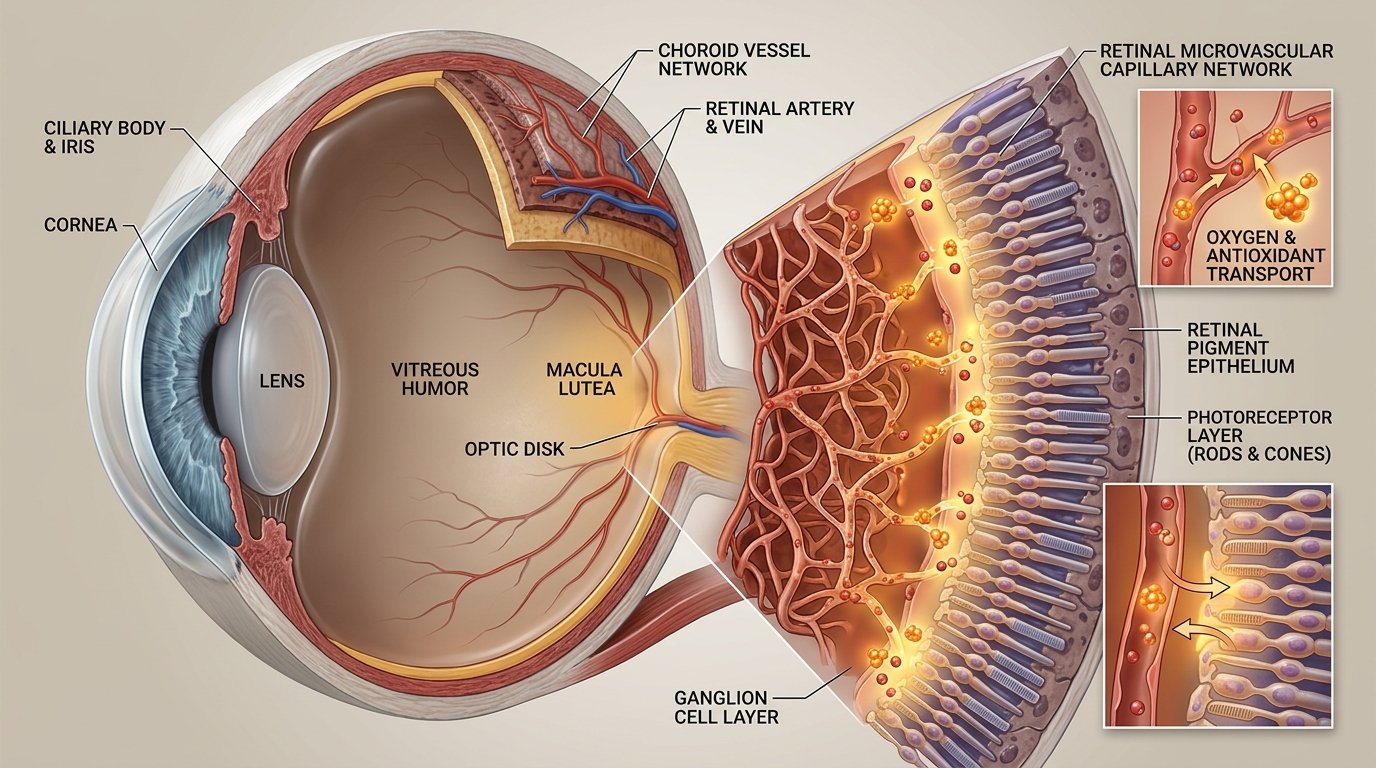
When microvascular flow slows, photoreceptor cells struggle to produce the cellular energy (ATP) required for high-definition visual processing. For anyone actively researching how to get rid of eye floaters, relieve persistent eye strain, and find a natural blurry vision treatment, clinical science indicates that supporting healthy blood flow and replenishing vital macular antioxidant reserves is essential to nourishing the retina and restoring natural, lasting clarity.
While conventional care rarely provides a non-invasive, daily eye floaters treatment or preventative blurry vision treatment, pioneering research into cellular eye rejuvenation led by renowned ophthalmologists has resulted in what thousands now refer to as The 10-Second Daily Vision Habit .
Unlike temporary surface solutions, this daily ritual delivers a powerful three-stage nutritional synergy designed to revitalize ocular health at the cellular foundation:
- Wild Arctic Nordic Bilberry Extract: Harvested from sub-zero Arctic tundras where plants naturally produce up to 3x higher concentrations of anthocyanins. These potent bio-antioxidants are preserved through advanced cryogenic extraction to promote healthy microvascular circulation and cleanse oxidative buildup.
- Lutein & Zeaxanthin Carotenoid Shield: Extracted from natural marigold petals, these macular carotenoids act like "internal biological sunglasses," absorbing high-frequency blue radiation from smartphones, televisions, and sunlight before it can fatigue the retina.
- Deep Marine Astaxanthin: Sourced from pristine red marine algae, this compound functions as clean cellular fuel for the mitochondria in ocular tissues, supporting visual acuity, faster light adaptation, and all-day eye stamina.
More than 24,000 men and women have integrated this natural nutritional routine into their mornings, experiencing sharper reading clarity, easier night driving without blinding headlight glare, and newfound peace of mind regarding their long-term eye wellness.
Click below to watch the complimentary educational report detailing the science of this 10-second morning habit, practical insights on how to get rid of eye floaters, and how targeted cellular nutrition provides a natural blurry vision treatment for clear, comfortable sight every single day.
Special Educational Presentation: Discover how targeted cellular nutrition and Arctic antioxidants offer an innovative eye floaters treatment and defend your eyes against daily screen fatigue.